Leak investigation
Trace interior symptoms, weather patterns, roof transitions, and accessible exterior evidence before choosing a repair.
Roof guidance for Guelph properties
Leaks, missing shingles, and ice-related symptoms need context. Stay off wet or icy roofing, document what you can from safe locations, and request an independent local professional.
No-obligation request · Independent providers · Guelph and Wellington County
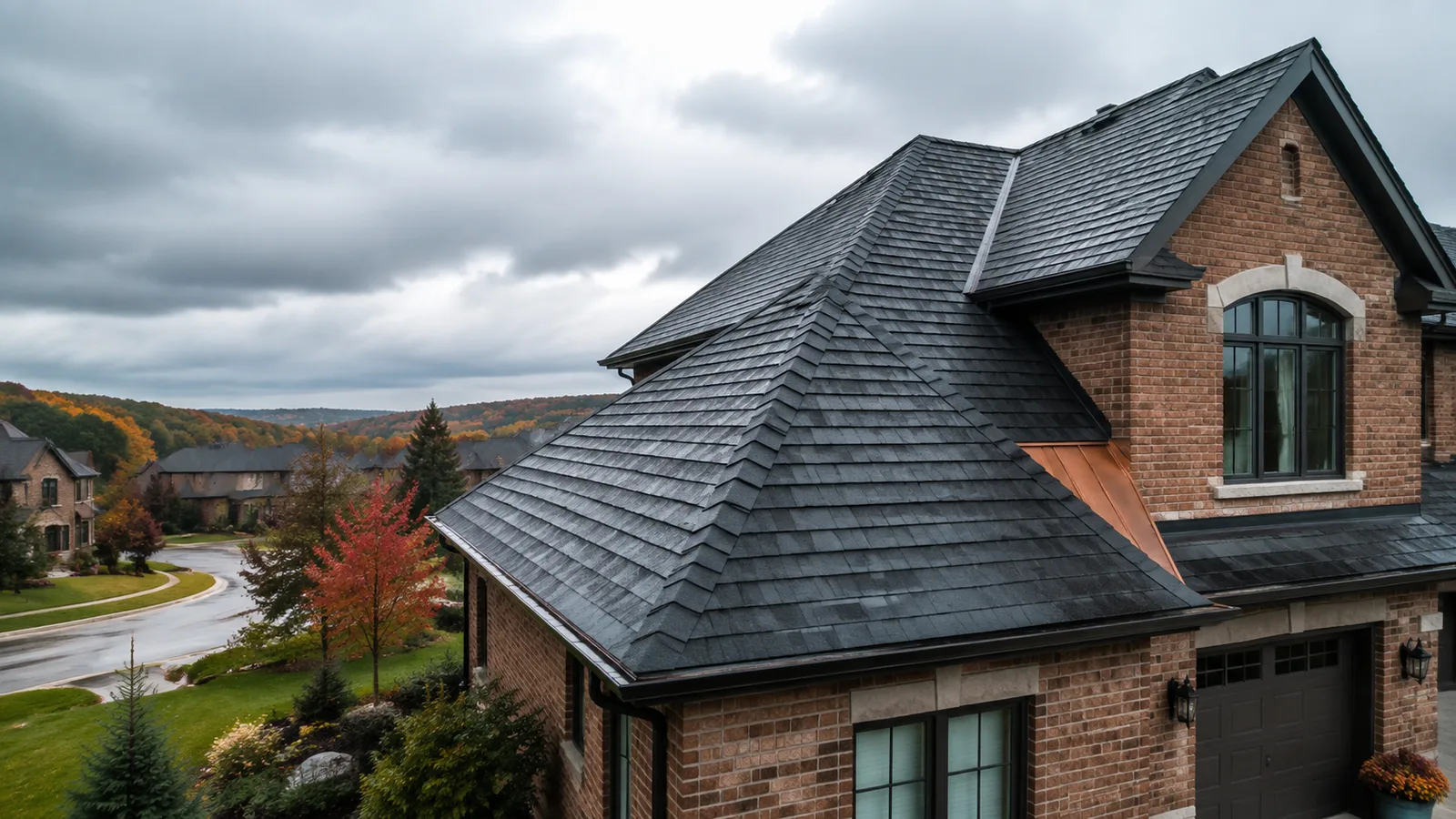
What the roof may need
Water can enter at shingles, flashing, vents, penetrations, valleys, walls, or drainage edges and travel before it appears indoors. A useful scope connects evidence to a specific repair.
Trace interior symptoms, weather patterns, roof transitions, and accessible exterior evidence before choosing a repair.
Address missing or damaged materials while checking adjacent courses, fasteners, transitions, and underlayment implications.
Evaluate seals, flashings, curbs, vents, chimneys, and nearby roof details instead of relying on surface caulk alone.
Distinguish emergency water control from longer-term insulation, air-sealing, ventilation, and roofing decisions.
Review how water and ice move at eaves, downspouts, valleys, and grade without assuming every leak begins there.
Compare remaining roof condition, affected area, compatible materials, warranty terms, and the limits of a localized repair.
Respond safely
Wet, icy, steep, or damaged roofs are hazardous. Use indoor observations and ground-level photographs until a properly equipped professional can assess the roof.
How it works
A clear sequence helps property owners compare recommendations and keep useful records.
Describe timing, weather, interior location, roof age if known, and any prior repairs.
When available, we route the request to an independent Guelph-area roofing professional.
Confirm affected components, materials, access, protection, cleanup, warranty, permits when applicable, and limitations.
Built for Guelph seasons
Guelph roofs face wind, rain, snow, ice, sun, and repeated temperature changes. Valleys, roof-wall intersections, eaves, attic conditions, and previous alterations can each shape a leak pattern.
A credible recommendation should identify evidence and uncertainty. Ask for photographs, a defined repair area, compatible materials, and a clear explanation of what would trigger a larger scope.
Compare with confidence
Two quotes can sound similar while including different materials, protection, access, and assumptions. Ask each contractor to identify the suspected entry point, affected components, limits of inspection, and why the proposed work is expected to correct the observed pattern. Avoid relying on a price without a written scope.
Request clear images of relevant shingles, flashing, penetrations, deck conditions where visible, and interior evidence that shaped the recommendation.
Confirm product, colour limitations, underlayment, flashing, fasteners, sealants, ventilation implications, and how new work joins existing roofing.
Clarify access, landscaping and driveway protection, debris control, weather planning, cleanup, magnetic sweeping, and responsibility for interior protection.
Read workmanship and manufacturer terms, leak-response procedure, excluded areas, concealed damage allowances, and what could change the price.
Straight answers
Yes. Water can travel along roof decks, framing, insulation, or other surfaces before becoming visible, so the stain alone may not identify the entry point.
No casual roof access is worth a fall. Wet, icy, steep, or damaged roofs require suitable training, equipment, and conditions. Protect the interior only where it is safe.
Emergency measures may limit water entry, but recurring ice issues can involve heat loss, air leakage, insulation, ventilation, drainage, and roof details that need coordinated evaluation.
That depends on the size and cause of the affected area, roof condition and age, material compatibility, prior work, warranty, and whether a localized repair can perform reliably.
No. This website is an independent information and referral resource. Verify each contractor’s qualifications, insurance, written scope, warranty, and local requirements.
Take the next step
Email the timing, weather, interior location, and any ground-level observations. We use the details only to respond and, when appropriate, help route the request.